
Toyota Brake Service: Everything You Need to Know
A silent guardian that stands between you and the unexpected, your car’s brake system is a pivotal component of road safety. Toyota vehicles are renowned for reliability, but even the sturdiest machines require regular attention to maintain their integrity. Let’s delve into the world of Toyota brake service, detailing its critical role in preserving your peace of mind on the journey. The hum of the road might be tranquil, but a high-pitched squeal from your brakes is a clarion call for immediate attention. By understanding the warning signs of brake wear and acquainting yourself with the nuances of Toyota’s braking components, you can preemptively address issues before they escalate. Envision the complex dance of calipers, pads, and rotors working in concert each time you press the pedal; it’s a mechanic’s symphony that commands respect and regular tuning. This article is your thorough guide, from distinguishing types of brake pads to navigating service intervals, ensuring every halt is as smooth as your ride.
Why Regular Brake Service is Important
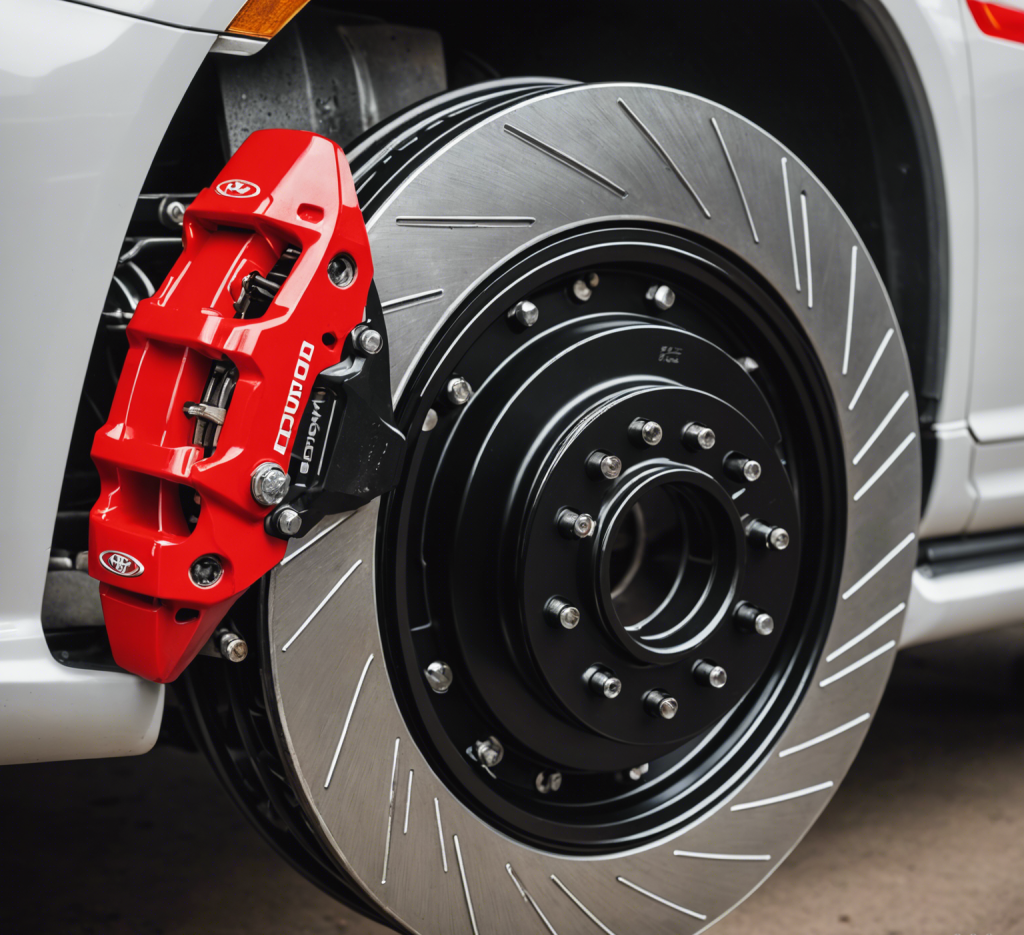
Regular brake service is crucial for maintaining vehicle safety and performance. The brake system is composed of various components, including the brake pedal, pads, calipers, lines, and fluid, all of which work together to bring your vehicle to a halt smoothly and efficiently. Neglecting brake maintenance can lead to decreased stopping power, which, in certain instances, could result in avoidable accidents. Brake components naturally wear down over time, and without proper inspection and replacements, the system’s effectiveness can be compromised.
Regular service appointments at a certified service center ensure that all parts, from the pads to calipers, are functioning properly. Whenever you press the brake pedal, each part must be in good condition to ensure the safety of both you and those on the road around you. During these inspections, service advisors—with their staff eager to assist—will check your brake system thoroughly, from brake hoses to brake lines, to diagnose any potential issues.
Moreover, brake services often involve a multipoint inspection which can identify warning signs early on, before they evolve into more serious and costly repairs. For example, a soft brake pedal could be a symptom of air in the brake lines or worn pads, while strange noises might suggest the need for replacing worn-out brake components. Regular maintenance ensures proper installation and function of all parts, which is essential not just for safety, but also for preserving the long-term health of your vehicle.
The Importance of Maintaining Your Brakes
Maintaining your brakes is not only pivotal for ensuring on-road safety but also for the longevity of your vehicle. A well-maintained brake system can save you money in the long run by preventing expensive repairs due to neglect. For instance, if brake pads are not replaced in time, the metal beneath the pad can grind against the rotor, leading to the need for pricier rotor replacements or repairs.
A service appointment tailored to brake maintenance usually involves examining the condition of the brake components, measuring pad thickness, and checking the condition and levels of brake fluid. Staff at a reliable service center will suggest necessary brake replacements after a detailed assessment. Factors like driving habits also influence how frequently service may be needed. For drivers who frequently commute in stop-and-go traffic or tow heavy loads, brake components may endure more wear and tear, necessitating more frequent checks.
Scheduling regular appointments with a service advisor ensures that your brake system stays in optimal condition. Drivers should be aware of the warning signs that indicate the need for a brake check-up, such as a spongy brake pedal feeling, a persistent squealing noise, or a tendency for the vehicle to pull to one side when braking.
The Role of Brake Pads in Ensuring Safety on the Road
Brake pads play a pivotal role in your vehicle’s brake system. When you press the brake pedal, the brake pads are forced against the rotors, creating the friction needed to slow down or stop your vehicle. Over time, this repeated friction causes brake pads to wear down, and if they aren’t serviced, this could drastically affect your car’s braking ability and potentially lead to hazardous situations on the road.
Regular inspections of brake pads are essential. Most manufacturers recommend checking your brake pads every 10,000 to 20,000 miles, but this can vary based on vehicle make, model, and usage patterns. If brake pad wear is ignored, it can result in the brake pads becoming too thin to create adequate friction, failing to properly stop your vehicle, and causing damage to other braking components, such as the rotors and calipers. Properly maintained brake pads are crucial to your vehicle’s stopping performance and overall safety.
Vehicle owners should pay attention to the warning signs of worn brake pads such as a decreased response when the brake pedal is pressed, grinding or screeching noises during braking, or a vibration in the pedal. If you experience any of these symptoms, it’s essential to make a service appointment immediately for the safety of everyone on the road.
Table 1: Brake Maintenance Checklist
|
Component |
Service Requirement |
Warning Signs |
|---|---|---|
|
Brake Pads |
Check every 10,000 – 20,000 miles |
Screeching noise, decreased pedal response |
|
Brake Fluid |
Check with every service visit |
Soft pedal feel, ABS light activation |
|
Brake Lines |
Inspect with every oil change |
Leaks visible, changes in pedal feel |
|
Brake Calipers |
Inspect with brake pad changes |
Vehicle pulling to one side, uneven pad wear |
|
Brake Rotors |
Measure thickness regularly |
Vibrations, grooves or scoring on rotor surface |
Ensuring your vehicle’s brakes are properly maintained is key to vehicle safety and performance. Always seek the help of a professional service advisor and make use of a licensed service center to ensure proper installation and maintenance of your brake system.
Signs that Your Brakes Need Service
Brake maintenance is not something to take lightly, as it directly impacts your vehicle’s safety and performance. Here are some of the most critical signs that your Toyota’s brakes might be due for a service:
- A longer stopping distance than usual suggests that your brakes are not as responsive as they should be.
- If the brake warning light on your dashboard illuminates, it’s a clear indication that your braking system needs immediate attention.
- Unusual noises, such as squealing, grinding, or clicking, are telltale signs that brake components may be worn or damaged.
- A vibration or pulsation in the brake pedal often points to issues with the rotors.
- A soft, spongy, or low brake pedal can indicate air in the brake lines or a problem with the brake fluid.
- The brake pedal requires more force to depress, or the brakes feel grabby even with light pedal pressure.
- Pulling to one side when braking can signify uneven wear or a malfunction in the brake system.
These signs indicate that a service appointment is necessary to avoid further damage and ensure vehicle safety. Schedule a visit with a certified service center and have a service advisor conduct a multipoint inspection to diagnose the problem.
Warning Signs of Brake Problems
Awareness of brake problems can prevent costly repairs and keep you and your passengers safe. Be vigilant for these warning signs:
- Noises: Listen for squealing, grinding, or constant whining when you apply the brakes—these sounds signal that your brake pads or shoes may be reaching the end of their service life.
- Visual Cues: If visible, inspect the thickness of your brake pads. A pad less than 1/4 inch thick is due for replacement.
- Pedal Sensations: A brake pedal that feels spongy or sinks to the floor suggests a possible brake fluid leak or air in the lines.
- Odors: A sharp, chemical odor after repeated hard braking may indicate that the brakes are overheating. If you smell burning resin, it’s essential to stop driving and check your brakes immediately.
- Leaks: Fluid on the ground near the wheels could be brake fluid, which would affect your ability to stop.
Remember, identifications of any of these warning signs call for immediate brake services to ensure your Toyota remains a safe mode of transportation.
Identifying Signs of Worn Brake Pads
Brake pads are essential for creating the friction that slows your vehicle, and they wear down with use over time. Here are some specific signs of worn brake pads:
- Reduced Responsiveness: If your brake pedal feels less responsive or if your car takes longer to stop, your brake pads might be worn down.
- Grinding Sound: When brake pads wear out, the metal part of the brake pad can come into contact with the brake rotor, resulting in a distinct grinding sound when you apply the brakes.
- Visual Wear: Look through the spokes of your wheel (if possible) to check your brake pads. If you see less than 1/4 inch of pad, you may need a replacement.
Table 2: Signs of Worn Brake Pads
|
Symptom |
Likely Cause |
Suggested Action |
|---|---|---|
|
Reduced pedal response |
Worn brake pads |
Inspection and possible replacement |
|
Grinding noise |
Metal-on-metal contact due to worn pads |
Immediate service appointment |
|
Poor stopping performance |
Reduced pad friction surface |
Check pad thickness |
|
Wheel screech/squeal |
Wear indicators touching rotors |
Schedule an inspection |
By keeping an eye out for these signs and maintaining regular service appointments based on your driving habits and manufacturer’s recommendations, you can ensure that your brake pads, and in turn, your entire brake system, function correctly, keeping you safe on the road.
Understanding the Brake System Components
The brake system in a Toyota vehicle is a critical component that ensures the driver’s safety by enabling the car to come to a complete halt when necessary. This system consists of numerous parts, each playing a vital role in the vehicle’s braking capabilities. Common brake components include the brake pedal, pads, calipers, rotors (or drums for some models), brake lines, and brake fluid. When the brake pedal is depressed, it triggers a chain reaction that causes these parts to interact and slow down the vehicle.
Let’s delve deeper into these components to understand their functions better:
- Brake Pedal: This is where the entire brake process is initiated. Pressing down on the pedal activates the master cylinder.
- Master Cylinder: Converts mechanical pressure from the pedal into hydraulic pressure to move the brake fluid.
- Brake Pads and Rotors: When hydraulic pressure reaches them, the calipers squeeze the brake pads against the spinning rotors, creating the friction needed to stop the vehicle.
- Calipers: They house the brake pads and use hydraulic pressure to move the pads towards the rotors.
- Brake Lines: These are the pathways through which brake fluid flows, connecting the master cylinder to the calipers.
- Brake Fluid: A type of hydraulic fluid that transfers the force exerted on the brake pedal to the brake calipers and pads.
Maintaining all these brake components is essential for efficient performance and safe driving practices.
The Function of Brake Calipers and Brake Lines
The brake calipers and brake lines play a crucial role in the functionality of a brake system. The calipers are components that fit over the rotor like a clamp. Within the caliper, brake pads exert pressure on both sides of the rotor when the brake is applied. This pressure slows down the rotor, and consequently, the wheel and vehicle stop. Calipers must function flawlessly to achieve even braking; otherwise, it could result in the car pulling to one side during braking.
Brake lines, on the other hand, are robust hoses that transport the brake fluid released by the master cylinder to the brake calipers at each wheel. They must be durable and intact to handle the high-pressure demands of the brake system. Any leakage or damage to the brake lines can compromise the entire system’s integrity, leading to a failure in the vehicle’s ability to brake effectively.
Brake Fluid: Its Role and Importance in the Braking System
Brake fluid is the lifeblood of the braking system. It serves as the medium through which pressure is transmitted from the master cylinder to the brake calipers and pads. Brake fluid must meet strict standards because it is responsible for:
- Pressure Transfer: It acts as a force transmitter between the brake pedal and the brakes themselves.
- Lubrication: It lubricates the moving parts within the brake system, reducing the wear and tear.
- Corrosion Prevention: It protects against corrosion of the braking system’s metal components.
- High Boiling Point: It must maintain its integrity under high temperatures caused by friction and braking heat.
Over time, brake fluid can absorb moisture, leading to a lower boiling point and reduced effectiveness. This makes regular brake fluid checks and changes crucial to ensuring safety. Proper installation and maintenance of brake fluid are vital for the overall functioning and longevity of the brake system. A multipoint inspection from a Toyota service center can ensure that this fluid and other brake components are in top condition.
|
Brake System Component |
Role in the Braking System |
Maintenance Consideration |
|---|---|---|
|
Calipers |
Apply pressure to brake pads |
Inspect for wear and leaks |
|
Brake Lines |
Transport brake fluid |
Check for damage or corrosion |
|
Brake Fluid |
Transmit force and lubricate |
Replace according to schedule |
In summary, understanding each component’s function within the braking system ensures that your Toyota maintains optimal performance and safety. Regular consultations with a service advisor, coupled with the expertise of a trained service center staff eager to assist, guarantees proper installation, maintenance, and functioning of all essential brake components from pads to calipers.
Toyota Brake Inspections and Service Intervals
Regularly inspecting your Toyota’s brakes is essential for ensuring vehicle safety and maintaining optimal performance. During a brake inspection at a certified service center, a skilled service advisor will thoroughly evaluate your vehicle’s brake system. This includes assessing the thickness of the brake pads, examining the condition of the rotors, checking brake fluid levels and quality, inspecting brake lines for signs of wear or damage, and examining the calipers for proper function.
A comprehensive multipoint inspection further ensures that every aspect of your brake system, from pads to calipers, is in excellent working order. For instance, if a brake pad is found to be wearing unevenly, it may indicate an issue with the caliper’s operation. Similarly, any signs of corrosion or damage on the brake lines can be a critical warning sign that requires immediate attention to prevent brake failure.
The Benefits of Regular Brake Inspections
Engaging in regular brake inspections can offer numerous benefits:
- Enhanced Safety: The most apparent benefit is the assurance of your vehicle’s ability to stop effectively in an emergency, contributing to overall road safety.
- Cost Savings: Identifying and addressing minor issues early can prevent more severe and expensive repairs down the line.
- Performance: Well-maintained brakes contribute to better handling and driving performance.
- Longevity: Routine maintenance can prolong the lifespan of your brake system components.
- Peace of Mind: Knowing that your brakes have been professionally inspected provides confidence in your vehicle’s reliability.
Recommended Service Intervals for Brake Maintenance
Toyota recommends that brake inspections should be part of your routine maintenance. The specific intervals for brake services can vary depending on your vehicle model, driving habits, and conditions. However, a general guideline is as follows:
- Brake Inspection: Every 5,000 miles or alongside your tire rotation service.
- Brake Fluid Replacement: Every 25,000 to 35,000 miles or according to the recommendations in your Toyota’s owner’s manual.
- Brake Pad Replacement: Typically every 50,000 miles, but this may vary depending on usage and driving conditions.
|
Service Type |
Recommended Interval |
|---|---|
|
Brake Inspection |
Every 5,000 miles |
|
Brake Fluid Replacement |
Every 25,000 to 35,000 miles |
|
Brake Pad Replacement |
Approximately every 50,000 miles |
To ensure tailored advice, scheduling a service appointment with a Toyota service center is critical. Your service advisor can provide a personalized maintenance schedule based on a multipoint inspection and an understanding of your specific driving habits.
Incorporating brake maintenance into your regular vehicle care routine is an investment in your Toyota’s health and your safety on the road. With the support of a knowledgeable service center staff eager to assist, you can rest assured that your braking system is functioning correctly and that any potential issues are addressed efficiently and correctly.
Common Brake Issues and Repairs
Brake maintenance is crucial for Toyota owners, not only for ensuring vehicle safety but also for maintaining performance. Identifying common brake issues is the first step towards effective repairs. Here are several brake concerns that every Toyota driver should be aware of:
- Wear and Tear on Brake Pads: Over time, brake pads naturally wear down from regular use. Signs of worn-down brake pads may include a decrease in braking performance or a screeching sound when applying the brakes.
- Warped Rotors: If your Toyota’s braking becomes jittery or if you notice a pulsating feeling through the brake pedal, this could be an indication of warped rotors, which will require resurfacing or replacement.
- Brake Light Activation: An illuminated brake light on your dashboard could hint at various issues, from low brake fluid to a malfunctioning sensor.
- Spongy or Soft Brake Pedal: This can be a sign of air in the brake lines, worn brake components, or a brake fluid leak, all of which compromise the integrity of your brake system.
|
Brake Issue |
Likely Cause |
Suggested Repair |
|---|---|---|
|
Worn Brake Pads |
Friction from regular braking |
Replacement of pads |
|
Warped Rotors |
Prolonged exposure to heat and stress |
Resurfacing or replacing rotors |
|
Illuminated Brake Light |
Various potential issues |
Diagnostic to pinpoint the problem |
|
Soft Brake Pedal |
Air in lines or fluid leak |
Bleeding brakes or repairing a leak |
Dealing with Brake Noise: Causes and Solutions
Brake noise is a common complaint among vehicle owners and can originate from various problems within the braking system:
- Worn Brake Pads: This is the most common cause of brake noise. Installing new pads is usually the immediate solution.
- Debris in the Brake System: Sometimes, small rocks or road debris can get lodged in the calipers. Cleaning the affected components often resolves this problem.
- Glazed Pads or Rotors: Hardening of the brake pad surface or rotors due to overheating can cause a squealing noise. Resurfacing or replacing the affected part is necessary to address this issue.
If you experience unusual noises when braking, consider these steps:
- Inspect Brake Pads: Check for wear and replace them if necessary.
- Clean Brake Components: Remove any foreign objects and clean the calipers and rotors.
- Check for Glazing: Look for shiny surfaces on the pads or rotors, indicating they may need service.
Addressing Brake Fluid Leaks and Related Problems
Brake fluid is vital for the operation of your brakes, as it transfers the force applied to the brake pedal to the brake rotors, making the car stop. A leak in this system can lead to reduced braking power or, in some cases, brake failure. Here are common signs and solutions related to brake fluid problems:
- Low Brake Fluid Levels: Can be caused by either a leak or brake pad wear since pads require more fluid as they wear down.
- Brake Warning Light: An indicator that there may be a leak or other issue within the braking system.
- Visible Puddles Under Vehicle: If you notice clear to brown and slightly oily puddles under your car, this may be brake fluid.
To effectively handle brake fluid leaks, follow this process:
- Check Brake Fluid Levels: Ensure the reservoir is at the correct level.
- Inspect Brake Hoses and Lines: Look for signs of leakage, such as wetness or fluid streaks.
- Seek Professional Help: Scheduling a service appointment with a Toyota service center is essential for proper installation and to ensure all components, including brake hoses, are functioning correctly.
Quick detection and resolution of brake fluid leaks are imperative in maintaining your Toyota’s brake integrity and vehicle safety.
Choosing the Right Brake Pads for Your Toyota
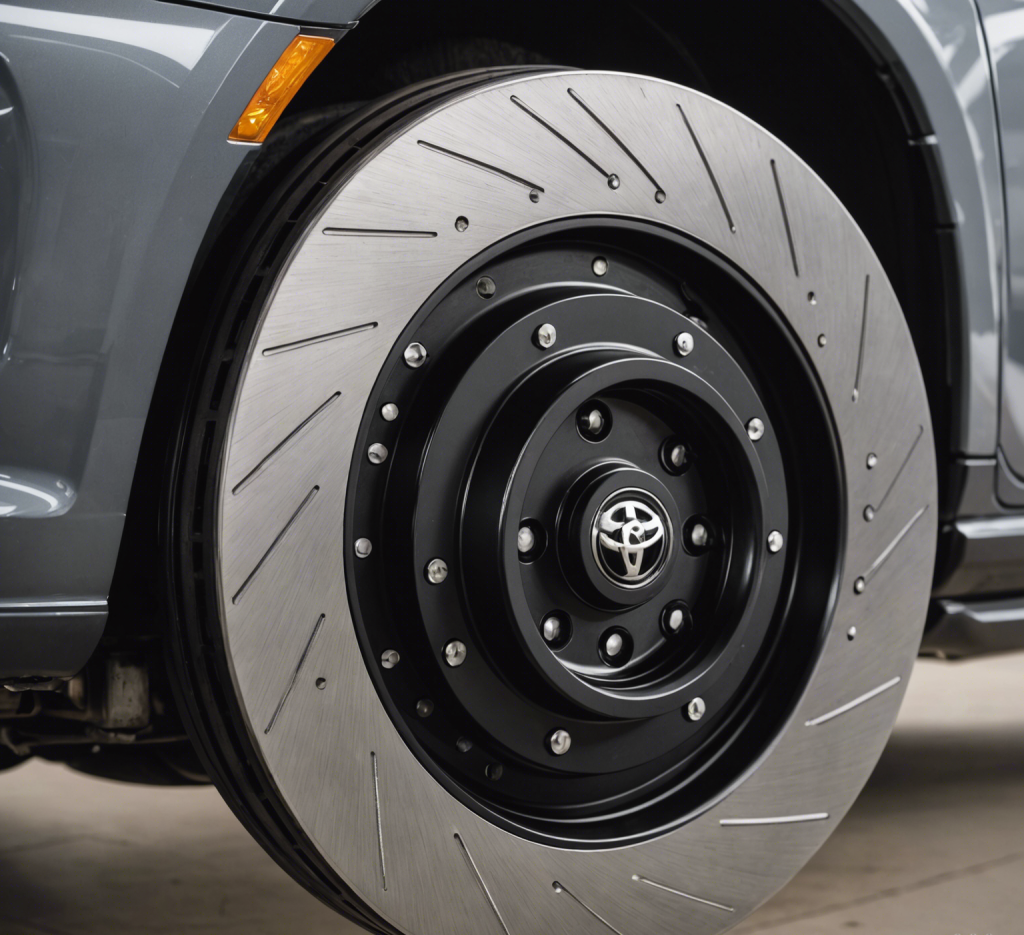
To ensure the safety and longevity of your vehicle’s braking system, selecting the right brake pads for your Toyota is critical. Brake pads are an essential component of the entire brake system, as they are the parts that apply pressure and friction to your car’s brake rotors – the flat, shiny discs that you can sometimes see just behind the wheels of your vehicle. This friction is what slows down and stops your car.
When shopping for brake pads, you’ll encounter various options, each designed to match different driving styles and vehicle requirements. Factors such as durability, noise levels, dust production, and pricing will all play a role in your selection process. It’s essential to choose pads that correspond to your typical driving conditions, whether that’s urban stop-and-go traffic, frequent highway travel, or occasional use. Understanding that brake components work cohesively, from pads to calipers and brake lines, underscores the importance of proper selection and installation.
Consulting with a Toyota service advisor at a certified service center is a wise step. They can provide professional advice tailored to your model, driving habits, and preferences. Plus, the staff eager to assist ensures that the brake pads you select are specific to your vehicle’s needs and are installed correctly for optimal performance and vehicle safety.
Different Types of Brake Pads: Pros and Cons
Brake pads come in several compositions, each offering distinct advantages and drawbacks. Here’s a quick overview:
1. Organic Brake Pads
- Pros: Quiet operation, low cost, and generally good for everyday use.
- Cons: Faster wear, not suited for extreme driving, less effective in high-temperature conditions.
2. Ceramic Brake Pads
- Pros: Low noise, minimal dust, and stable under a range of temperatures.
- Cons: Higher cost and not ideal for heavy, performance-based driving.
3. Metallic Brake Pads
- Pros: Excellent performance, durable in high heat, and good for heavy-duty use.
- Cons: Tend to be noisier and produce more brake dust than other types.
4. Semi-Metallic Brake Pads
- Pros: Better heat transfer and performance over organic pads, cost-effective.
- Cons: More wear on rotors, potentially noisier, and can perform less well in cold temperatures.
Each type of brake pad material offers unique benefits designed for different driving styles and environments. These pros and cons should be weighed carefully against your needs before making a selection.
Factors to Consider When Selecting Brake Pads
Consider the following factors when choosing the right brake pads for your Toyota:
- Driving Habits: Are you frequently in stop-and-go traffic, or do you tend to drive long distances without much use of brakes?
- Vehicle Performance: If you have a high-performance Toyota, you’ll likely need brake pads that can handle the additional heat and stress from quick stops or aggressive driving.
- Environment: Consider the climate you drive in; certain pad materials perform better in different weather conditions.
- Price vs. Quality: Strike a balance between affordability and quality to get the best value for your money.
- Compatibility: Ensure the brake pads are compatible with your specific Toyota model.
- Noise and Dust Tolerance: Determine your tolerance for brake noise and dust, as different materials will vary in these areas.
|
Factor |
Consideration |
|---|---|
|
Driving Habits |
Frequent stops require more durable pads. |
|
Vehicle Performance |
Performance models need pads that can handle the heat. |
|
Environment |
Wet, cold, or hot climate affects pad efficiency. |
|
Price vs. Quality |
Better materials tend to cost more. |
|
Compatibility |
Must fit your Toyota model. |
|
Noise and Dust |
Some pads are quieter and cleaner than others. |
By considering these factors and consulting with a Toyota service center for a multipoint inspection, you can make an informed decision and ensure a proper installation. This proactive approach to brake maintenance, from selecting the right pads to calipers and beyond, contributes significantly to overall vehicle safety. It’s recommended to schedule a service appointment to address any brake service needs in a timely manner.
The Importance of Proper Brake Installation and Service
Brake maintenance is essential not only for the performance of your Toyota but also for your safety on the road. Proper brake installation and service ensure that all brake components, from pads to calipers and brake lines, function seamlessly together, providing reliable stopping power whenever you press the brake pedal.
Faulty installation can lead to a range of problems, such as reduced brake efficiency, increased stopping distances, and even complete brake failure. It’s crucial for your Toyota to maintain brake components regularly and replace them in a timely manner. Service appointments should not be overlooked, as they are the occasions for trained professionals to inspect the brakes and detect warning signs of wear or damage early.
Brake services often include multipoint inspections which examine the entire brake system, ensuring that every part, including Brake Hoses and brake fluid levels, is in top condition. During a service, a service advisor will check for issues such as worn brake pads, damaged rotors, and imperfections within the brake lines that could compromise vehicle safety.
Why Proper Brake Installation is Crucial for Safety
Installing brake components correctly is imperative for multiple reasons. Primarily, the precision with which brake components are fitted can significantly influence vehicle response in critical situations. A proper installation ensures that the brake pedal feel is firm and consistent, giving the driver confidence in their vehicle’s ability to stop swiftly when needed.
Moreover, improperly installed brakes may emit persistent noise, reduced brake power, or uneven wear on brake components, signaling potential hazards. These factors underscore the dire consequences of subpar brake maintenance – from increased risk of accidents due to diminished stopping power to the added expense of premature brake replacements.
Drivers should not ignore warning signs like a soft brake pedal, unusual noises when braking, or a dashboard warning light. These could indicate serious issues within the brake system that require immediate attention. Always prioritize vehicle safety by ensuring brake components receive proper installation and timely service.
The Role of Factory-Trained Technicians in Brake Service
Factory-trained technicians possess the extensive knowledge and specialized skills required to perform brake services with precision. These technicians are well-versed in the exact specifications of your Toyota model, ensuring that brake components are installed and maintained in alignment with the manufacturer’s recommendations.
Their expertise facilitates proper diagnosis and rectification of brake problems, which is crucial since every aspect of the brake system is interconnected — a fault in the Brake Hoses could affect the calipers, and vice versa. Moreover, factory-trained technicians are familiar with the latest brake technologies and can handle advanced electronically-controlled brake systems, ABS, and stability control systems.
Relying on factory-trained technicians ensures your vehicle is always fitted with the correct parts — from pads to calipers — and guarantees proper installation. Again, this level of care ensures vehicle safety, preserves your Toyota’s value, and provides peace of mind.
Vehicle owners should seek the assistance of these technicians by scheduling service appointments for regular brake inspections and services. Being proactive about maintenance can extend the lifespan of brake components and help maintain optimal driving conditions. Remember, the staff at your Toyota service center is eager to assist in safeguarding the integrity of your vehicle’s brakes with their expertise and attention to detail.
Toyota Brake Service Offers and Specials
Stay on top of your Toyota’s brake maintenance without breaking the bank by checking out the latest offers and specials at your local service center. Service specials are designed to provide drivers with opportunities to save on essential brake services, from pads to calipers, ensuring your vehicle remains safe on the road.
Current Promotions:
- Discounted brake inspections: Get a thorough analysis of your brake system.
- Savings on brake pads and installation: Economize on purchases and proper installation services.
- Brake fluid exchange deals: Ensure optimal brake performance and longevity.
These offers can vary by location and season, so it’s always a good idea to check with your service center or its website for the most up-to-date information. Keep in mind that these specials often include a multipoint inspection, which can identify other potential issues before they require costly repairs.
Understanding Brake Service Coupons and Specials
Benefits of Using Coupons:
- Cost Savings: Reduce the price of routine service and unexpected repairs.
- Quality Service: Access to factory-trained technicians and OEM parts.
- Added Value: Sometimes includes complimentary multi-point inspections.
How to Use Coupons:
- Locate: Find deals online on the service center webpage or through direct mail.
- Verify: Ensure the offer is valid for your Toyota model and at your preferred service center.
- Redeem: Present the coupon at the time of service appointment scheduling or upon arrival.
It’s important to read the fine print on any coupon or special offer, as there might be exclusions or specific terms and conditions that apply, such as a set expiration date or limitations on the types of brake services offered.
Taking Advantage of Generous Brake Service Offers
Maximize Your Savings:
- Plan Ahead: Schedule service in advance and mention the offer to your service advisor.
- Combine Offers: See if you can use multiple promotions for even greater discounts.
- Stay Informed: Sign up for service center newsletters or alerts to receive the latest specials.
Effective Planning:
- Keep Records: Track your vehicle’s service history to anticipate future needs.
- Monitor Driving Habits: Understand how your driving impacts brake wear and when service might be needed.
Taking advantage of brake service offers can be an excellent way to maintain your Toyota’s brakes effectively while also being cost-conscious. By staying alert to new deals, using coupons wisely, and consulting with your service advisor, you can ensure proper brake maintenance and vehicle safety without incurring unnecessary expenses.
Finding a Reliable Toyota Brake Service Center
When searching for a reliable Toyota brake service center, the priority is ensuring that your vehicle is in the hands of experienced professionals who are familiar with Toyota brake components and can expertly diagnose and address any issues. Toyota owners should look for service centers that offer a comprehensive range of brake services, from standard brake pad replacements and brake fluid exchanges to more complex repairs for brake lines and calipers. Here’s how to assure you’re choosing the right service center for your Toyota’s brake maintenance needs:
- Check for Certifications: Look for service centers where the technicians are ASE-certified or have specific training in Toyota brake systems.
- Read Reviews: Explore customer testimonials and feedback on independent review sites to gauge the service quality.
- Ask for Recommendations: Seek advice from friends or family who own Toyotas for service center referrals.
- Examine Warranty Offerings: Ensure the service center provides a warranty for their brake work, indicating trust in their workmanship.
It’s also advisable to observe the cleanliness and organization of the service center upon visitation. A well-maintained shop reflects a professional attitude and attention to detail that likely extends to your vehicle’s service.
Choosing an Authorized Toyota Service Center
Opting for an authorized Toyota service center comes with several benefits:
Advantages:
- Specialized Expertise: Technicians are factory-trained and possess in-depth knowledge of Toyota brake systems.
- Genuine Parts: Use of OEM (Original Equipment Manufacturer) parts, such as pads and rotors, is guaranteed, ensuring proper fit and function.
- Up-To-Date Information: Authorized centers have the latest technical information and access to diagnostic equipment specifically designed for Toyota models.
- Record Keeping: Service history is documented officially, which can uphold your vehicle’s resale value.
Finding and utilizing an authorized Toyota service center typically offers peace of mind, knowing that all repairs and maintenance are carried out to the high standards set by the Toyota manufacturer.
Non-Franchise Service Centers: Pros and Cons
Non-franchise service centers, also known as independent shops, can be a valid alternative to official dealerships. Here are some pros and cons to consider:
Pros:
- Cost-Effective: Often provide more competitive pricing for brake services and parts.
- Personalized Service: May offer a more personalized relationship with service staff eager to address your concerns.
- Convenience: Possibly more flexible scheduling options for service appointments.
Cons:
- Variability in Quality: Expertise with Toyota brake systems can vary widely between shops.
- Parts Quality: Might use aftermarket parts which can differ in quality from OEM components.
- Warranty: The warranty offered on brake work may not be as comprehensive as that provided by an authorized Toyota service center.
When considering a non-franchise center, verify that they have experience with Toyota vehicles and can source the appropriate brake components. Discuss with the service advisor the type of parts they use and the warranty coverage on their work.
Comparative Table: Authorized vs. Non-Franchise
|
Aspect |
Authorized Toyota Service Center |
Non-Franchise Service Center |
|---|---|---|
|
Expertise |
Factory-trained specialists |
Varies by technician |
|
Parts |
OEM parts guaranteed |
OEM or aftermarket |
|
Pricing |
Standardized |
Could be more economical |
|
Warranty |
Manufacturer-backed |
Varies |
|
Service Records |
Officially documented |
Informal |
|
Custom Relationships |
Brand standard of service |
Often more personal |
Ultimately, whether you choose an authorized Toyota service center or a non-franchise shop, validate their credibility and ensure they can provide the quality brake services your Toyota requires for optimal vehicle safety and performance.