
Maximizing Engine Life: The Importance of Timely Oil Changes
Neglecting the health of your car’s engine is akin to running a marathon on empty. At the heart of your vehicle’s performance lies the lifeblood of the engine: motor oil. Its function extends far beyond mere lubrication, safeguarding intricate engine components and ensuring every journey ends as smoothly as it begins. This article will explore the vital role of engine oil and the undeniable benefits of regular oil changes in maximizing engine life. Are you giving your car the care it deserves, or are engine troubles lurking around the corner? With each turn of the ignition, your engine’s oil is hard at work, but without timely attention, its efficacy deteriorates, risking the longevity and reliability of your prized automobile. Let’s delve into how a simple routine maintenance task can wield the power to keep your engine running at its peak, while skirting costly repairs and extending its tenure on the road. As the crux of ensuring that your engine remains a smooth operator, the criteria for selecting the right oil and the consequences of delaying oil changes cannot be overstated. Buckle up as we navigate through the intricacies of maintaining optimal engine health through the sanctity of timely oil changes.
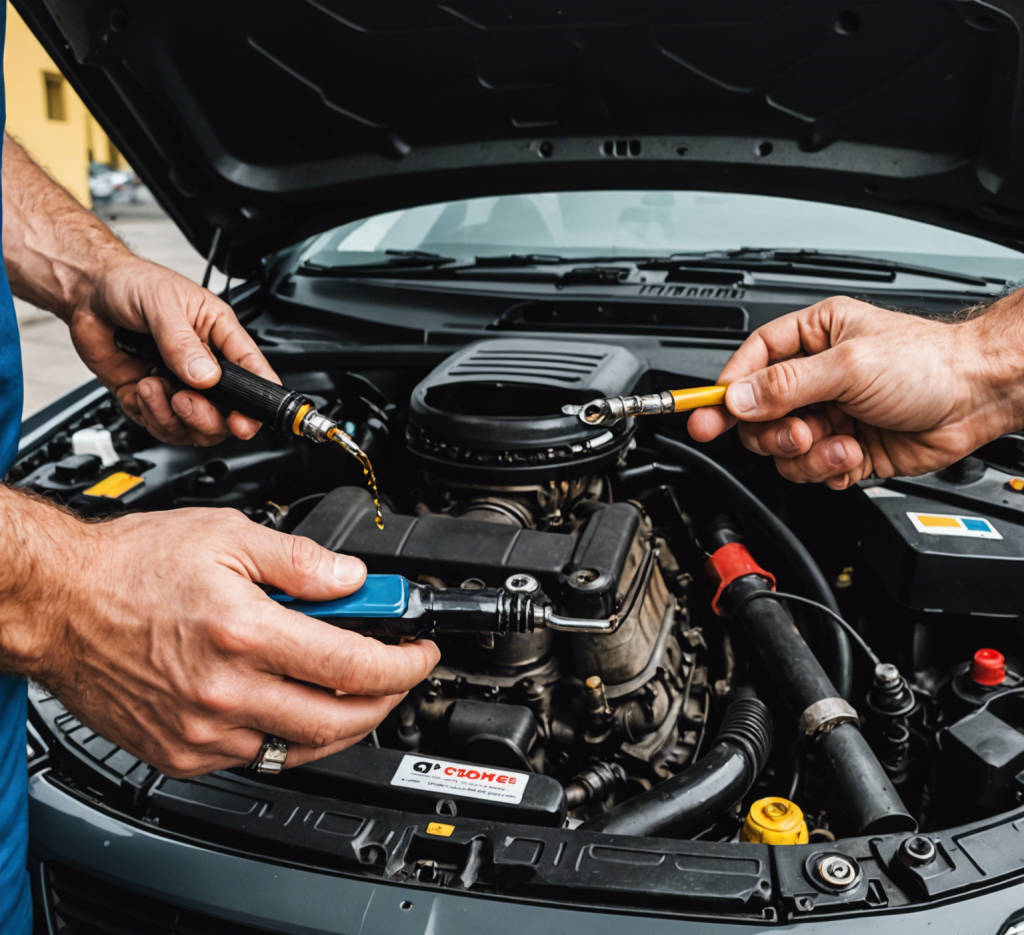
The Function of Engine Oil
The engine is the heart of any vehicle, and the engine oil is its lifeblood. The principal function of engine oil is to lubricate the internal components of the engine to ensure minimal friction. This crucial role is the starting point in understanding why an oil change is not just maintenance, but a vital necessity for the health of your vehicle.
Understanding the Role of Engine Oil
Engine oil serves several key functions beyond lubrication. It helps to keep the engine clean by preventing the build-up of carbon and varnishes. Moreover, it aids in cooling the engine by transferring heat away from the combustion cycle. Oil also plays a role in sealing, dampening the noise of the engine, and protecting against rust and corrosion. The type of oil used can greatly influence the fuel economy and overall fuel efficiency of the vehicle.
How Engine Oil Protects the Engine Components
Protecting the engine components from wear and debris is another fundamental aspect of engine oil’s role. By creating a protective layer between the moving parts, such as the pistons and the engine block, engine oil guards against wear and tear. Good quality oil can even help extend the overall engine life. Regular changes with the correct oil grade prevent the buildup of harmful contaminants that can degrade engine components, thus, safeguarding your engine and potentially saving you from costly repairs later down the road.
The Importance of Proper Lubrication for Engine Performance
Proper lubrication ensures that the numerous benefits of oil are not short-lived. Regular maintenance such as oil changes, recommended by your vehicle manufacturer, helps to maintain a state of minimal friction among internal components. This, in turn, maximizes the efficiency of the engine’s performance and preserves fuel economy. Skipping oil changes or delaying them can accelerate engine wear and lead to the necessity for extensive and expensive trips to the repair shop, which could cost thousands of dollars in severe cases. A regular oil change is a small investment that yields substantial returns by keeping your engine running smoothly, efficiently, and for longer.
By adhering to these guidelines and understanding the critical function of engine oil, drivers can assure that their vehicle remains dependable and keeps running with peak performance.
The Benefits of Regular Oil Changes
Regular oil changes stand as one of the most straightforward, yet important, forms of regular maintenance for your vehicle. They offer numerous benefits that not only extend the overall health and longevity of your engine but also impact your wallet favorably. With fresh oil circulating through the engine, there’s a notable reduction in the wear of internal components, which ensures optimal performance and reliability. It’s a simple prescription for a healthy engine: regular maintenance with the appropriate type and grade of oil as specified by your vehicle manufacturer.
Prolonging Engine Life through Timely Oil Changes
Regular oil changes are the key to elongating the life of your vehicle’s engine. By consistently replacing old oil, you ensure that the internal components of your engine are protected and lubricated, reducing the chances of premature wear and tear. Over time, oil breaks down and loses its effectiveness due to heat and contamination. This breakdown can lead to increased friction and, consequently, more rapid degradation of critical engine parts. Timely oil changes prevent the accumulation of deposits and maintain a clean and efficient engine, directly contributing to an extended engine lifespan.
|
Key Aspect |
Benefit of Timely Oil Changes |
|---|---|
|
Lubrication |
Reduces friction, preventing wear of engine parts |
|
Contamination Removal |
Clears out debris and prevents buildup |
|
Heat Transfer |
Aids in maintaining optimal engine temperature |
|
Engine Efficiency |
Promotes smooth operation and performance |
Improving Fuel Efficiency and Saving Money
The relation between fuel efficiency and oil changes might not be immediately apparent, but it’s quite significant. Clean oil decreases the resistance in the engine from excess friction, allowing it to run smoother and work less to deliver power. This smooth operation directly translates to better fuel economy and fuel efficiency, saving you money on gas expenses over time. Additionally, using the type of oil recommended by your vehicle manufacturer can further optimize performance and fuel consumption. The result is a double win: you enjoy a more responsive driving experience while simultaneously reducing the frequency of your visits to the gas pump.

Preventing Costly Repairs and Extending the Lifespan of the Engine
The adage “an ounce of prevention is worth a pound of cure” couldn’t ring truer in the context of vehicle maintenance. Regular oil changes are a preventative measure that shields your engine from the onset of potentially catastrophic and costly repairs. Dirty oil, filled with particulates and sludge, can have a corrosive effect on engine components, leading to failure and expensive trips to the repair shop. By investing in regular oil changes, you minimize the risk of damaging critical engine parts which could save you from spending thousands of dollars on repairs. Consistent maintenance not only ensures that your vehicle remains roadworthy but also significantly enhances the resale value by demonstrating diligent upkeep.
In summary, incorporating regular oil changes into your vehicle maintenance schedule results in a trifecta of benefits: a healthier, more efficient engine, lower fuel costs, and the avoidance of costly repairs. This regular care is a small, proactive step that offers protection and peace of mind, proving essential for any conscientious vehicle owner.
Factors Affecting Engine Oil Quality and Lifespan
The integrity and performance of engine oil diminish over time, influenced by several factors that can significantly affect its quality and lifespan. The frequency and conditions of vehicle use, the type of oil, the efficiency of the oil filter, environmental variables, and the presence of contaminants all play critical roles. For instance, driving in heavy traffic or extreme weather conditions can lead to more frequent oil changes. Also, oil type, whether synthetic or conventional, can withstand varying degrees of heat and stress. It is imperative to understand these factors to ensure optimal engine performance and longevity.
|
Factor |
Effect on Engine Oil Quality and Lifespan |
|---|---|
|
Driving Habits |
More frequent oil changes may be needed under severe conditions |
|
Type of Oil |
Synthetic oils may last longer than conventional oils |
|
Oil Filter Quality |
Poor filters can reduce oil effectiveness more quickly |
|
Environment |
Extreme temperatures can degrade oil sooner |
|
Contamination |
Dirt and metal particles can accelerate oil breakdown |
The Type of Oil and Its Grade
Choosing the appropriate type and grade of oil is paramount for the health of your engine. Vehicle manufacturers recommend specific oil grades – such as 10W-30 or 5W-20 – that are optimal for the designed engine tolerances. Synthetic oils typically offer superior protection and a higher degree of stability under extreme temperatures, while conventional oils may suffice for regular, uncomplicated driving conditions. The oil grade determines its viscosity, which affects lubrication efficacy and fuel economy. Using the wrong oil grade can lead to inadequate lubrication or increased resistance within the engine block, ultimately compromising engine health and performance.
The Importance of Using the Right Oil Filter
An oil filter’s role is to trap and contain contaminants and metal particles that may cause harm to the engine. Using a high-quality oil filter is critical, as it directly impacts the purity and effectiveness of the engine oil. A substandard filter may not efficiently remove contaminants, which could circulate back into the engine, leading to increased wear and tear. Following the vehicle manufacturer’s recommendations for oil filter specifications is as important as regular oil changes to maintain a clean and functional engine.
Environmental Factors and Their Impact on Engine Oil
Environmental factors such as temperature extremes, humidity, and dust levels can significantly influence the degradation rate of engine oil. High temperatures can cause oil to thin out, reducing its lubricating properties, while cold temperatures may lead to oil thickening, straining the engine during cold starts. High humidity levels can lead to moisture accumulation in the oil, adversely affecting its lubricating ability and leading to corrosion. Likewise, operating a vehicle in dusty or sandy conditions can increase the amount of particulate matter entering the oil, necessitating more frequent changes.
The Effects of Dirt and Metal Particles on Engine Oil
Dirt and metal particles are inevitable byproducts of engine operation, arising from internal wear or ingression from the outside environment. These contaminants act as abrasives, hastening the wear of engine components and diminishing the functionality of engine oil. Over time, the accumulation of these particles can build up sludge within the engine, leading to reduced efficiency, potential blockages, and ultimately, a decline in engine life. Regular oil and filter changes are critical in removing these harmful contaminants, thereby preserving the integrity and performance of the engine oil and engine block alike.
In summary, the interplay between engine oil maintenance and these various factors underscores the importance of adhering to a diligent maintenance schedule for your vehicle. By considering each of these elements, you effectively safeguard your engine’s performance and extend its life, optimizing your driving experience, and protecting your investment.
Developing an Effective Oil Change Schedule
To maintain your vehicle’s performance and prevent costly repairs, regular oil changes are a crucial aspect of vehicle maintenance. An effective oil change schedule depends on several factors including the make and model of your car, the type of oil used, driver behavior, and the operating environment.
Most vehicle manufacturers provide a recommended oil change interval, found in the owner’s manual, which generally ranges from 3,000 to 10,000 miles, depending on the car and oil type. However, this interval may vary if you often engage in severe driving conditions such as frequent short trips, towing, or driving in extremely hot or cold climates.
Keeping track of your vehicle’s oil change history and monitoring the color and level of your oil can help refine your schedule. Additionally, modern cars often come with oil life monitoring systems that alert you when a change is due, factoring in various aspects of your driving habits.
Here is a simplified table to help you develop an effective oil change schedule:
|
Factor |
Impact on Schedule |
|---|---|
|
Vehicle Age |
Older vehicles may require more frequent changes |
|
Oil Type |
Synthetic oils can typically last longer between changes |
|
Driving Conditions |
Harsh conditions call for shortened intervals |
|
Manufacturer Recommendations |
Follow the guidance for your specific vehicle model |
|
Oil Monitoring System |
Use alerts as a reminder for newer vehicles |
By combining the guidance from your vehicle manufacturer with attentive monitoring of your engine’s demands, you will establish an oil change schedule that keeps your engine clean and running smoothly while optimizing fuel economy and prolonging engine life.
Understanding Oil Change Intervals for Different Vehicles
Oil change intervals are not one-size-fits-all. Factors such as the type of vehicle you drive, whether it’s a compact car, a heavy-duty truck, or a high-performance vehicle, can heavily influence the frequency of oil changes your vehicle requires.
Compact cars, often used for daily commuting and short trips, may have oil change intervals at the lower end of the spectrum, recommended at about every 5,000 miles for conventional oil. Heavy-duty vehicles that endure more strenuous use, like towing or carrying heavy loads, might need their oil changed more frequently, even if using longer-lasting synthetic oils, to ensure minimal friction and wear on engine components.
Furthermore, hybrid or electric vehicles (EVs) have different maintenance requirements. Hybrids still require oil changes, though potentially at less frequent intervals due to the engine’s reduced running time. Pure EVs don’t need oil changes since they don’t have a traditional internal combustion engine. Always check the owner’s manual for the manufacturer’s specifics to maintain optimal performance and avoid unnecessary repairs that could amount to thousands of dollars.
The Benefits of Using High-Quality Synthetic Engine Oil
High-quality synthetic engine oil offers numerous benefits that contribute to better engine health and enhanced performance. It is designed to provide optimal lubrication with minimal friction, resulting in improved fuel economy and efficiency. Compared to conventional oil, synthetics are more stable at high temperatures and maintain their flow characteristics in cold weather, ensuring consistent protection for engine components.
Here are key benefits of using synthetic oil:
- Enhanced Lubrication: Provides better lubrication which helps to prolong engine life.
- Temperature Tolerance: Functions in extreme weather, maintaining its viscosity.
- Reduced Deposits: Helps to keep engine components cleaner by minimizing sludge.
- Improved Fuel Efficiency: The smoother running engine can lead to better fuel economy.
- Longer Oil Life: Synthetic oil usually lasts longer, meaning fewer oil changes and reduced waste.
Using high-quality synthetic engine oil also means that integral parts of the engine block, such as the pistons and valves, operate with less resistance, which can prevent costly repairs and maintain fuel efficiency. Although synthetic oil is usually more expensive upfront, the long-term savings from extended intervals and protection of engine components can be significant.
The Role of Additives in Enhancing Engine Performance
Additives play a pivotal role in enhancing the performance and longevity of engine oil. These chemical compounds are blended into the base oil to fulfill specific functions, such as preventing corrosion, enhancing viscosity, and keeping the engine clean.
The common types of additives and their benefits include:
- Detergents: Keep surfaces free of deposits.
- Dispersants: Prevent contaminants from clumping together inside the engine.
- Anti-Wear Agents: Protect surfaces from abrasion and extend engine life.
- Antioxidants: Slow down the oil oxidation process, keeping the oil fresh for longer.
- Viscosity Index Improvers: Help the oil to maintain optimal thickness across temperature extremes.
- Corrosion Inhibitors: Protect metal parts from acids and moisture.
Using oils with the right blend of additives can maintain the function of engine oil at an optimal level, ensuring that the internal components remain in peak condition over time. It’s important to select an engine oil that contains the appropriate additives as recommended by your vehicle manufacturer, to ensure full compatibility and the best possible protection for your engine.
The Significance of Regular Maintenance by a Professional
Entrusting your vehicle to a professional for regular maintenance can yield numerous benefits and prevent costly repairs down the road. A professional mechanic or technician at a reputable repair shop has the expertise to handle the nuances of different engine types and the requirements set forth by vehicle manufacturers.
Regular maintenance by a professional includes:
- Comprehensive evaluation of the vehicle’s condition.
- Replacement with the specified oil grade and high-quality oil filter.
- Disposal of old oil in an environmentally friendly manner.
- Inspection of other vital fluids and engine components.
- Recommendation of any additional services based on professional assessment.
Professionals are also acquainted with peculiarities particular to each vehicle model that may affect the frequency or type of maintenance needed. The experienced eye can spot early signs of wear, ensuring that small issues are addressed before they evolve into serious problems, thus saving you from costly repairs that could amount to thousands of dollars. Regular professional maintenance sustains vehicle reliability, reinforces fuel economy, and upholds the vehicle’s value, fortifying not just the engine’s health but also ensuring road safety and peace of mind.
The Consequences of Neglecting Oil Changes
Neglecting oil changes is an oversight that can lead to a cascade of problems for your vehicle, including reduced fuel efficiency, impaired engine performance, and costly repairs. Regular maintenance is not just an operational procedure; it’s an investment in the longevity of your vehicle. When oil changes are not carried out as recommended by the vehicle manufacturer, the oil’s capacity to lubricate and protect the engine diminishes. This can result in metal components grinding against one another, causing wear over time and reducing the overall functionality and lifespan of the engine. Additionally, by skipping this crucial aspect of regular maintenance, you risk voiding the vehicle’s warranty which could amount to thousands of dollars in future repair costs.
How Dirty Engine Oil Affects Engine Performance
Dirty engine oil has a significant negative impact on engine performance. Over time, oil deteriorates and gets contaminated with dirt, metal shavings, and combustion byproducts. This contamination causes the oil to become thick and abrasive, which can lead to the following issues:
- Increased engine wear due to reduced lubrication and higher friction between engine components.
- Reduced fuel economy as more effort is needed by the engine to overcome the resistance caused by dirty oil.
- Potential for oil passages to clog, restricting oil flow to vital engine parts and hindering proper operation.
These problems underscore the critical function of engine oil in preserving engine integrity and ensuring smooth vehicle operation.
The Potential Damage Caused by Sludge Buildup
Sludge buildup is a serious problem that occurs when old, dirty oil begins to gel or solidify in the engine. This thick, tar-like accumulation can lead to various issues including:
- Blocked oil passages, preventing oil from reaching where it’s needed.
- Reduced heat dissipation, as sludge acts as an insulator, leading to higher engine temperatures.
- Increased stress on the oil pump, as it works harder to push the viscous fluid through the system.
The resulting damage can compromise critical engine components, leading to repairs that are much more expensive than the cost of a regular oil change.
Engine Overheating and its Impact on Engine Life
Engine overheating is a perilous condition often attributed to neglecting engine oil changes. Heat is a natural byproduct of the combustion process, and oil plays a key role in dissipating it. Old and contaminated oil loses its ability to cool the engine effectively, which can lead to:
- Warping of engine components as they expand unevenly due to excessive heat.
- Compromised head gaskets, leading to oil and coolant mixing or severe leaks.
- Potential engine seizure if the oil loses its lubricating properties completely.
The lifespan of an engine that consistently runs too hot can be dramatically reduced, ultimately leading to premature failure and the need for a complete engine replacement or an extensive overhaul.
The Risk of Complete Engine Failure
The ultimate risk of putting off regular oil changes is complete engine failure, an outcome that can be both dangerous and economically draining. Should engine oil be left unchanged, the accumulation of dirt and debris, alongside the break-down of oil viscosity, means that the internal components operate without sufficient lubrication. The increased friction and heat can lead to:
- Seized pistons and bearings rendering the engine immobile.
- A cracked or warped engine block, which is beyond economical repair.
- The necessity to replace the entire engine, often costing thousands of dollars.
Neglecting oil changes is a gamble that can result in the worst-case scenario for any vehicle owner – the total loss of the vehicle’s engine, emphasizing the importance of timely maintenance.