
Check Engine Light On But Car Runs Fine? Here's What It Means
Check Engine Light On But Car Runs Fine: Understanding Its Meaning and What To Do
Seeing the check engine light illuminate on your dashboard can be a source of anxiety for many drivers, especially when the vehicle appears to be running smoothly. This light serves as a crucial indicator of potential issues within your car’s engine or emissions system. Understanding what it means when the check engine light is on, even if the car runs fine, is essential for maintaining vehicle health and safety. In this article, we will explore the meaning of the check engine light, potential causes for its activation, recommended actions to take, and how mobile diagnostics can assist in identifying issues.
Drivers often face confusion when the check engine light is on without any noticeable performance problems. This situation can arise from minor issues that may not immediately affect the vehicle’s operation. However, ignoring the light can lead to more significant problems down the line. We will delve into the various meanings behind the check engine light, common causes, and the importance of timely diagnostics. Additionally, we will discuss how mobile car diagnostics can provide convenient solutions for drivers in Broward County and Pembroke Pines.
Meaning
The check engine light is a warning indicator that alerts drivers to potential issues within the vehicle’s engine or emissions system. It is part of the On-Board Diagnostics (OBD) system, which monitors various engine parameters to ensure optimal performance and compliance with emissions regulations. When the light activates, it signifies that the OBD system has detected a fault that requires attention. Addressing the check engine light promptly is crucial, as ignoring it can lead to decreased fuel efficiency, increased emissions, and potential engine damage.
Beyond simply indicating faults, OBD-2 technology offers a range of diagnostic functions that allow for comprehensive vehicle information retrieval, settings adjustments, and even sending commands to the car.
OBD-2 Diagnostic Functions for Vehicle Information
Basic diagnostic functions are described, with which you can get information about the car, as well as perform its settings and send various commands to it.
Using OBD-2 technology for vehicle diagnostic and using it in the information system, V Golian, 2023
Potential Causes
There are several reasons why the check engine light may illuminate, even when the car seems to be running fine. Understanding these potential causes can help drivers make informed decisions about their vehicle’s maintenance. Common reasons include:
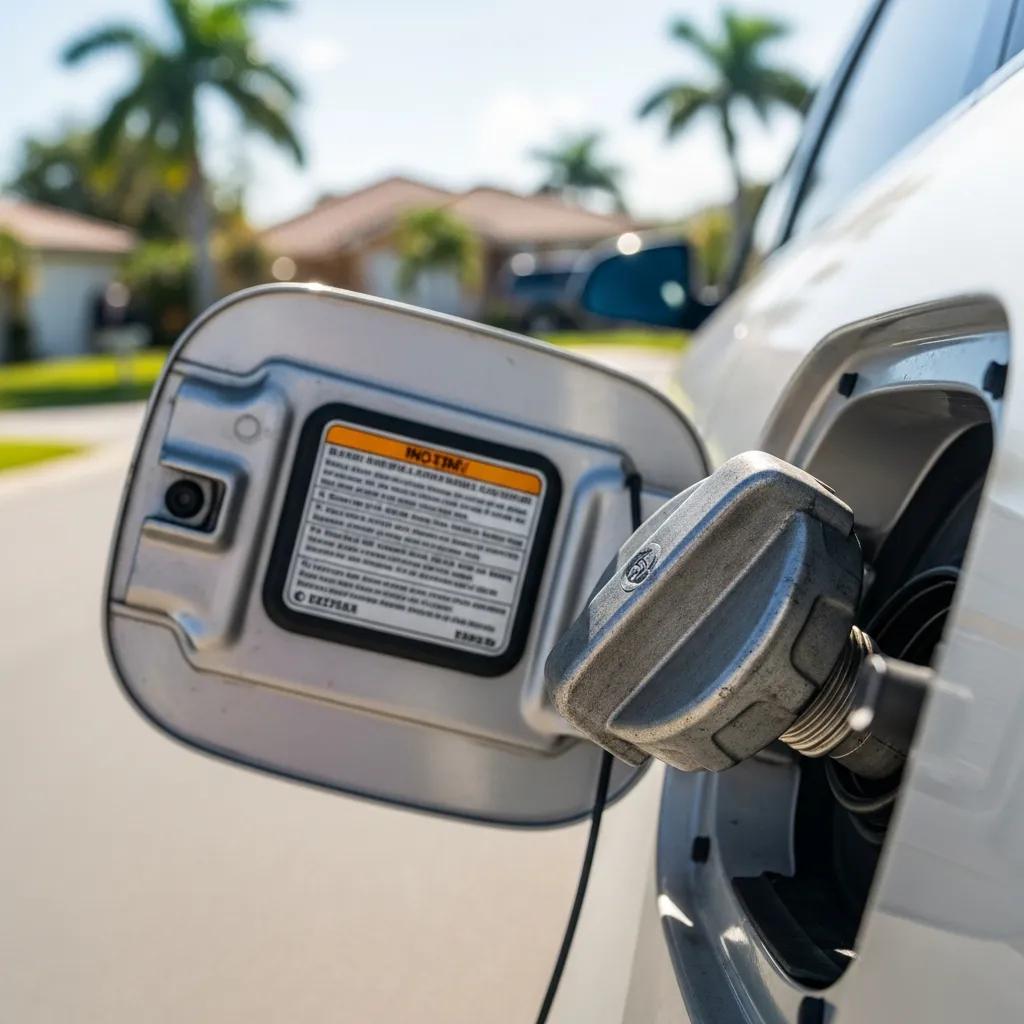
- Loose or Damaged Gas Cap: A loose or damaged gas cap can cause fuel vapors to escape, triggering the check engine light.
- Faulty Oxygen Sensors: These sensors monitor the level of oxygen in the exhaust and can fail over time, leading to incorrect fuel mixture readings.
- Catalytic Converter Issues: Problems with the catalytic converter can affect emissions and trigger the light without noticeable performance issues.
- Aging Components: As vehicles age, various components may begin to fail, leading to minor faults that activate the check engine light.
Recognizing these potential causes can help drivers understand the importance of diagnostics and timely repairs.
Recommended Actions
When the check engine light comes on, it is essential to take appropriate actions to address the issue. Here are some recommended steps for drivers:
- Get a Diagnostic Check: Utilize an OBD2 scanner to read the diagnostic trouble codes (DTCs) that triggered the light. This can provide insight into the specific issue.
- Regular Maintenance: Ensure that your vehicle undergoes regular maintenance checks to prevent minor issues from escalating.
- Monitor Performance: Pay attention to any changes in vehicle performance, such as decreased fuel efficiency or unusual noises, and report these to a mechanic.
- Address Warning Lights Promptly: Do not ignore the check engine light; addressing it promptly can prevent more significant issues and costly repairs.
Taking these actions can help maintain your vehicle’s health and ensure safe driving conditions.
What Does the Check Engine Light Indicate When the Car Runs Normally?
The check engine light serves as a critical alert system for drivers, indicating that the vehicle’s onboard diagnostics have detected a potential issue. Even when the car runs normally, the light can signify underlying problems that may not yet affect performance. Understanding the purpose of the check engine light is essential for proactive vehicle maintenance.
What Is the Check Engine Light and Its Purpose?
The check engine light is an indicator on the dashboard that alerts drivers to potential issues within the engine or emissions system. Its primary purpose is to signal that the vehicle’s onboard diagnostics have detected a fault that requires attention. Common issues indicated by the light include sensor malfunctions, emissions system failures, and engine performance problems. Timely diagnostics are crucial to prevent minor issues from escalating into major repairs.
How Does the On-Board Diagnostics System Detect Issues?
The On-Board Diagnostics (OBD) system continuously monitors various engine parameters, including fuel efficiency, emissions, and sensor performance. When the system detects a deviation from normal operating conditions, it triggers the check engine light. The OBD system uses diagnostic trouble codes (DTCs) to identify specific issues, allowing technicians to pinpoint the problem during diagnostics. Understanding how the OBD system works can help drivers appreciate the importance of addressing the check engine light promptly.
What Are the Common Causes of a Check Engine Light When the Car Runs Fine?
Even when a vehicle appears to be running smoothly, the check engine light can still activate due to various minor issues. Identifying these common causes can help drivers understand the importance of diagnostics and timely repairs.
Which Engine Sensors Commonly Trigger the Light Without Performance Issues?
Several engine sensors can trigger the check engine light without causing noticeable performance issues. Common sensors include:
- Oxygen Sensors: These sensors monitor the oxygen levels in the exhaust and can fail, leading to incorrect fuel mixture readings.
- Mass Air Flow Sensors: These sensors measure the amount of air entering the engine and can malfunction, affecting engine performance.
- Throttle Position Sensors: These sensors monitor the position of the throttle and can trigger the light if they fail.
Understanding these sensors can help drivers recognize the importance of diagnostics in maintaining vehicle health.
How Do Diagnostic Trouble Codes Explain Intermittent or Minor Faults?
Diagnostic trouble codes (DTCs) play a crucial role in identifying issues that may not immediately affect vehicle performance. These codes provide specific information about the fault detected by the OBD system, allowing technicians to diagnose and address the problem effectively. Minor faults, such as sensor malfunctions, can trigger the check engine light without causing noticeable performance issues. Addressing these codes promptly can prevent more significant problems from developing.
Even with the advent of OBD-II systems, the process of diagnosing specific numeric trouble codes often requires extensive reference materials to accurately interpret their meaning.
Diagnosing Numeric Trouble Codes with OBD-II Systems
This still meant that a multitude of reference materials had to be kept on-hand to help diagnose the meaning of the numeric trouble code for each platform.
Automotive Diagnostic Systems: Understanding OBD I and OBD II, 2011
How Can Mobile Car Diagnostics Help Identify Check Engine Light Issues?

Mobile car diagnostics offer a convenient solution for drivers facing check engine light issues. These services provide on-site diagnostics, allowing technicians to assess the vehicle’s condition without the need for a trip to the repair shop.
What Are Mobile Diagnostic Services and Their Advantages?
Mobile diagnostic services provide several advantages for drivers, including:
- Convenience: Technicians come to the driver’s location, saving time and effort.
- Cost-Effectiveness: Mobile services often have lower overhead costs, making them more affordable for consumers.
- Expertise of Mobile Technicians: Many mobile mechanics are highly trained and experienced, providing reliable diagnostics and repairs.
These advantages make mobile diagnostics an appealing option for drivers seeking timely solutions for their check engine light issues.
How Do Technicians Use OBD2 Scanners to Read and Interpret Codes?
Technicians utilize OBD2 scanners to read and interpret diagnostic trouble codes (DTCs) generated by the vehicle’s onboard diagnostics. These scanners connect to the vehicle’s OBD port and retrieve codes that indicate specific issues. By analyzing these codes, technicians can identify the underlying problems and recommend appropriate repairs. Understanding how OBD2 scanners work can help drivers appreciate the value of professional diagnostics.
Research further emphasizes the utility of mobile applications integrated with OBD-II scanners for efficient vehicle diagnostics and retrieving crucial diagnostic trouble codes.
Mobile OBD-II Scanners for Diagnostic Trouble Codes (DTC)
Implementation of the mobile application can also be applied to vehicles, with inspection and checking functions assisted by the Onboard Diagnostic-II (OBD-II) scanner. Vehicle information was taken by the DAS process into a Diagnostic Trouble Code (DTC) from the vehicle itself.
Mobile-based car diagnostic application using onboard diagnostic-II scanner, K Iskandar, 2023
Where Can You Find Local Diagnostic Services in Broward County and Pembroke Pines?
For drivers in Broward County and Pembroke Pines, finding reliable diagnostic services is essential for addressing check engine light issues. Local services can provide timely diagnostics and repairs to ensure vehicle safety and performance.
Autotech Mobile Mechanic offers comprehensive mobile diagnostic services to help identify and resolve check engine light issues. With a focus on customer satisfaction, they provide expert diagnostics and repairs at your convenience. For more information, you can contact them at (954) 826-5523 or visit their location at 15905 Pines Blvd unit a, Pembroke Pines, FL 33027, United States.
How Do You Read, Reset, and Manage Check Engine Light Codes?
Managing check engine light codes is crucial for maintaining vehicle health. Understanding how to read and reset these codes can empower drivers to take control of their vehicle’s maintenance.
What Are the Steps to Diagnose and Reset the Check Engine Light?
To diagnose and reset the check engine light, follow these steps:
- Connect an OBD2 Scanner: Plug the scanner into the vehicle’s OBD port to retrieve diagnostic trouble codes.
- Interpret the Codes: Analyze the codes to identify the specific issues triggering the light.
- Address the Issues: Perform necessary repairs or maintenance based on the diagnostic results.
- Reset the Light: Use the scanner to reset the check engine light once repairs are completed.
Following these steps can help drivers effectively manage their vehicle’s check engine light.
When Is It Safe to Drive With the Check Engine Light On?
While it may be safe to drive with the check engine light on in some cases, it is essential to monitor the vehicle’s performance closely. Signs that indicate it is safe to continue driving include:
- No noticeable changes in engine performance
- No unusual noises or vibrations
- No other warning lights illuminated on the dashboard
However, if any concerning symptoms arise, it is crucial to seek professional diagnostics immediately to prevent potential damage.