

Do you own a 3.5L 8th generation Nissan Altima? Like any other car owner, you undoubtedly want to maintain both your safety and the longevity of your Nissan. The brake master cylinder is the foundation of the brake system and is necessary to the proper operation of your Nissan’s whole brake system. Brakes are one of the sections of an automobile that require regular maintenance. We will provide you with all the information to remove and install the brake master cylinder on any Nissan Altima manufactured between 2016 and 2023 in the article that follows.
Before moving on to the step-by-step removal of the piece, we must provide you with valuable information about the tools you should have on hand to carry out the process correctly:
Tools you must have to remove the piece:
- Safety gloves
- Container to drain brake fluid
- Screwdriver
- Brake oil, preferably DOT 3 or 4 (You can use the brand and type oil that your mechanic has recommended)
- Brake fluid extractor
- Keyset
During the process of removing the piece, there are a number of risks that can arise due to the multiple steps involved, each with a varying degree of complexity. The following explains the safety measures you should consider in order to prevent accidents:
Precautions and guidance to consider:
CAUTION:
- Be careful not to splash brake fluid on painted areas; it may cause paint damage. If brake fluid is splashed on painted areas, wash it away with water immediately.
- Do not scratch the piston of the master cylinder when installing/removing because the piston is exposed. Check for any dust on the piston, and wash with brake fluid if needed.
- Hold the master cylinder body when handling the master cylinder assembly. Do not hold the piston because the piston might become detached if pulled strongly.
- Refill the reservoir tank with new brake fluid “DOT 3”.
- Do not reuse drained brake fluid.
- Do not reuse the master cylinder O-ring.
NOTE: When removing components such as hoses, tubes/lines, etc., cap or plug openings to prevent fluid from spilling.

broward county
Altima 2016-2023 Full Brake Master Cylinder Removal & Installation guide
Now that you have the vital information to ensure your safety, let’s get straight to the steps you need to perform in order to remove the cylinder swiftly and easily:

How to Remove Altima Brake Master Cylinder
- Drain the brake fluid. Refer to DRAIN AND REFILL.
- Remove air cleaner assembly and air ducts. Refer to REMOVAL AND INSTALLATION (QR25DE) or REMOVAL AND INSTALLATION (VQ35DE).
- Disconnect the harness connector from the brake fluid level switch.
- Remove the brake fluid level switch.
- Disconnect the brake pipes from the master cylinder using a flare nut wrench.
- Remove the master cylinder assembly nuts.
- Remove the master cylinder assembly.
- Remove and discard the O-ring from the master cylinder
CAUTION: Do not reuse O-ring.
Once you have followed all of the removal procedures, we can install the newly installed or already repaired part, whichever that may be:
Installation of Brake Cylinder on Nissan Altima 8th Gen
Installation is in the reverse order of removal.
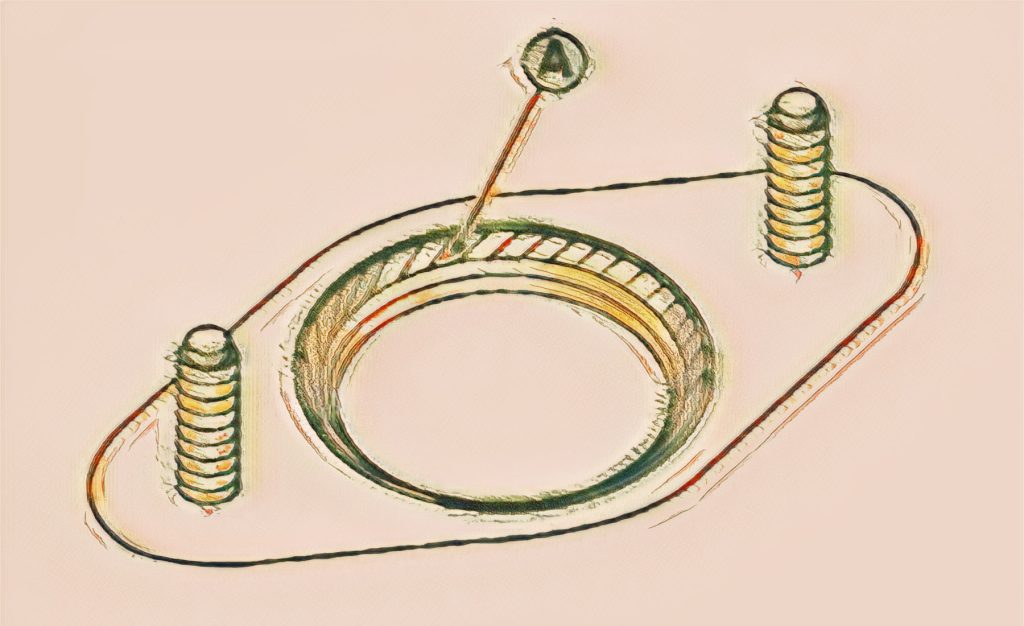
- Apply PBC (Poly Butyl Cuprysil) grease or silicone-based grease to the brake booster at (A) position as shown. Be sure the O-ring is in the proper position before installing the master cylinder to the brake booster.
CAUTION:
- Do not reuse O-ring.
- Do not reuse master cylinder assembly nuts.
- Tighten brake tube flare nut to the specified torque using a flare nut crowfoot and torque wrench. Refer to EXPLODED VIEW.
- Check the brake pedal height after installing the brake master cylinder assembly. Refer to INSPECTION AND ADJUSTMENT.
- Refill with new brake fluid and bleed air. Refer to BLEEDING BRAKE SYSTEM.
We will provide you with the instructions to conduct a proper inspection to ensure that everything is installed correctly for these removal and installation processes, which call for thorough checks to ensure that everything has been adjusted correctly and that there are no drips, bleeding, or rubbing of parts that should not occur if everything was done correctly:
Master cylinder inspection:
Check for brake fluid leakage at the following areas:
- Master cylinder mounting face
- Reservoir tank mounting face
- Brake tube and brake tube connections
- Brake hose and brake hose connections
- If any brake fluid leakage is found, repair as necessary

Transparency and pofesionalism
are at the forefront of all our
automotive repair services.
Installation Procedure:
Check for leaks in the master cylinder installation surface, reservoir tank installation surface, and brake pipe and hose connections.
We understand that carrying out each of these stages could seem difficult, but you can accomplish it if you have the correct resources and follow the detailed directions in this page. All Nissan Altima owners are urged to perform routine maintenance on their brake systems, but if you are unsure how to proceed, please give us a call. At AutoTech Mobile Mechanic, we offer skilled brake repair services, brake inspections, and maintenance that can be done in the convenience of your own garage.

SCHEDULE AN APPOINTMENT TODAY

Our Mobile Mechanic Services in The Broward County Area
DAVIE, PEMBROKE PINES, MIRAMAR, COOPER CITY, WESTON, SOUTHWEST RANCHES, PLANTATION, TAMARAC, SUNRISE, FT LAUDERDALE
Davie Location
+600 positive reviews
Pembroke Pines Location
+240 positive reviews
What our clients says
Posted on GoogleTrustindex verifies that the original source of the review is Google. I found the only honest, 100% reliable mechanic in south Florida. Manuel is professional, punctual and he knows the in and out of my car. I fully recommend him! Thanks for a great job!Posted on GoogleTrustindex verifies that the original source of the review is Google. Professional service and very honest.Posted on GoogleTrustindex verifies that the original source of the review is Google. Manny was extremely knowledgeable and the most honest mechanic I’ve met. Even though there ended up being no repair needed on my car, he walked me through the diagnostic and explained what I need to look out for in the future. I will definitely go to him again and recommend him to my friends and family.Posted on GoogleTrustindex verifies that the original source of the review is Google. Wheel stud replacement. I was in a jam and Manny came to the rescue. Very professional and honest. All around great mechanic and great guy. Highly recommend 10/10!Posted on GoogleTrustindex verifies that the original source of the review is Google. Almost got a ticket today because of Manny! After having my struts and shocks replaced the car was running so smooth that I didn't realize how fast I was going....instead of feeling like I was in a paint shaker. First class individual, fair and honest pricing, and no waiting at the repair shop for hours on end! I recommend him without reservation, you will too!Posted on GoogleTrustindex verifies that the original source of the review is Google. Excellent service! Manny was very professional, communicated effectively regarding his arrival time and provided us with great information. I would definitely recommend his services.Posted on GoogleTrustindex verifies that the original source of the review is Google. This man is awesome. I just finished service with him. My nissan altima was not starting or reading the brake pedal. It wasn't providing any codes so finding the issue was not easy. Manuel took the extra steps to find what the issue was since it was outside the communication of the vehicle. Turned out there was an anti theft device on my car from the bank was improperly installed. He found the issue corrected the connection of the device and the car is good to go! An hour from the time I called he was able to get out to me. It's been exactly 1 hour and 20 mins since the initial call and my issue is resolved! Will be using him full time for any and all car repairsPosted on GoogleTrustindex verifies that the original source of the review is Google. Manny is very professional and honest. We used his services twice and both times were very satisfied with the results. The first time, Manny diagnosed the origin of the issue we had with a headlight and the alert warnings on the dashboard of our Chrysler 300. During the second visit, Manny replaced two sensors on the same car. Both times the price was very reasonable and was given to us before starting the job. No surprises! Thank you, Manny. You are the best!Posted on GoogleTrustindex verifies that the original source of the review is Google. Don't go anywhere else, this guy is the best! extremely smart and knows what he's doing. You will not be disappointed.Posted on GoogleTrustindex verifies that the original source of the review is Google. Help me out of a jam with a simple solution. Quick to responding to my problem!!!!